
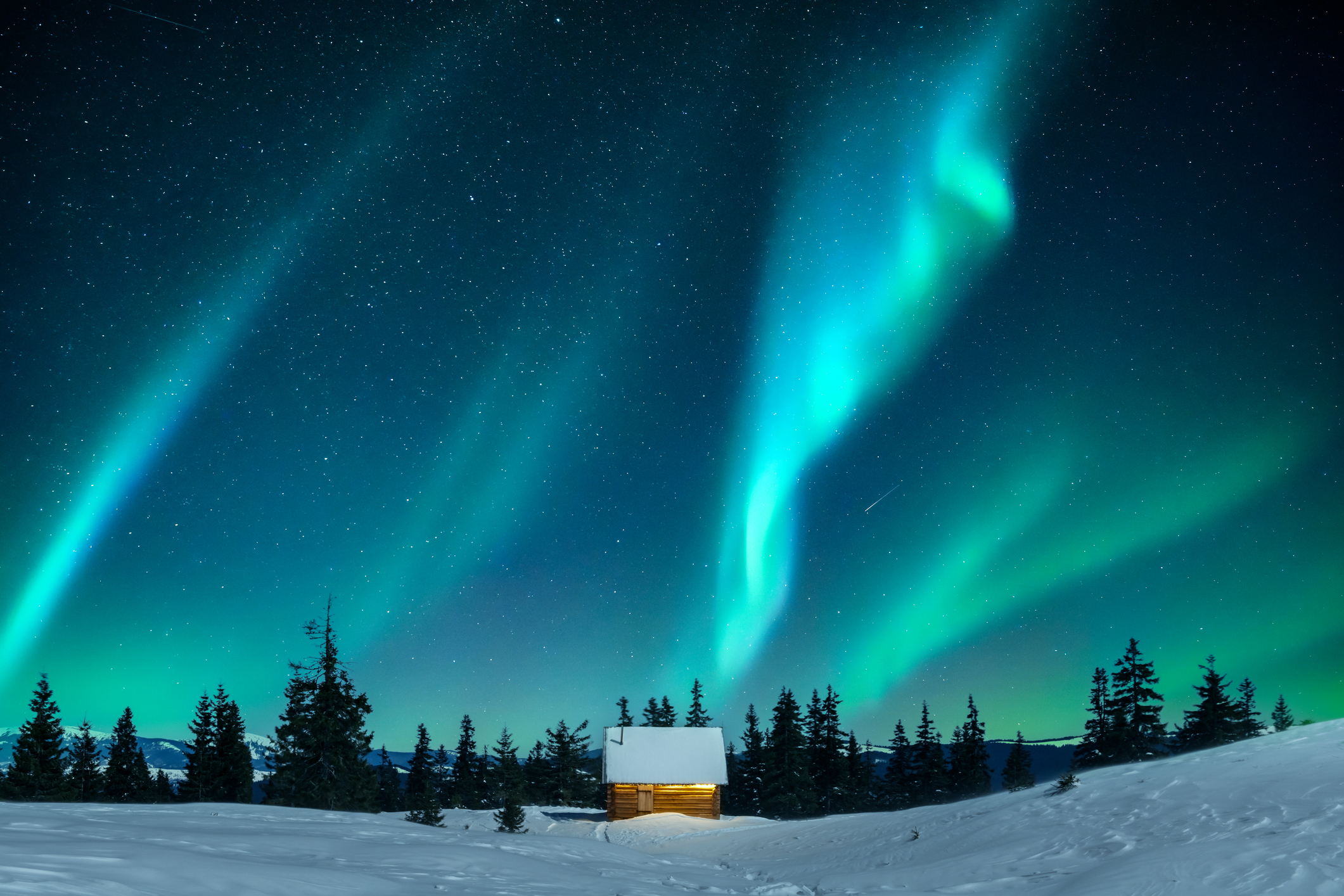
For most winter travellers, late February and March offer the best balance in Finnish Lapland. The snow is usually well established, daylight is returning, and the nights remain dark enough for Northern Lights watching. December is better for a festive atmosphere, while January suits visitors who want deep winter and do not mind very short days.
The right choice depends on whether snow, auroras, Christmas activities or time outdoors matters most to you.
Finnish Lapland Through the Seasons
Winter does not arrive everywhere in Finnish Lapland on the same date. Conditions in northern resorts such as Saariselkä can differ from those around Rovaniemi.
November marks the transition into winter. Snow begins settling in the north, resorts start opening, and the days become rapidly shorter. Travellers booking early in the month should not assume that every winter activity will already be operating in natural snow.
December brings snowy forests, illuminated villages and long hours of darkness. It is also busy, particularly around Rovaniemi and the main family resorts. Book early if Santa Claus activities or a glass-roofed cabin is central to the trip.
January is colder and darker. In the far north, the sun may remain below the horizon during the polar night, although twilight and reflected light prevent complete darkness. It is an impressive Arctic experience, but limited daylight can make a short trip feel compressed.
February and March bring a more forgiving combination. Snow conditions are generally strong, outdoor activities are in full swing, and each week adds more daylight. April can still offer skiing and deep snow in northern areas, but the rapidly brightening nights reduce the time available for seeing auroras.
The Best Months for Deep Snow and Winter Activities
Most of Lapland is normally covered by snow between December and April, with the deepest snow often found later in the season. For travellers who want to ski, snowshoe, ride a snowmobile or cross frozen landscapes, February and March are usually safer choices than early winter.
The extra daylight also matters. A December itinerary may involve starting an activity in twilight and finishing after dark. By March, there is considerably more natural light for seeing the landscape, taking photographs and combining several activities in one day.
Cold remains part of the experience. Temperatures can fall below -20°C and occasionally much lower. Thermal layers, insulated boots, gloves and face protection matter more than choosing a month from average temperatures alone. Confirm what specialist clothing an activity provider includes.
For families and first-time Arctic visitors, late February or March is the easiest recommendation. Those months preserve the snowy setting while making daytime travel and outdoor planning simpler.
When to Visit for the Northern Lights
The Northern Lights can be visible from late August until early April, when the sky becomes dark enough. A sighting requires auroral activity, darkness, a reasonably clear sky and a location away from strong artificial light.
December and January provide long viewing windows, but long nights do not guarantee clear weather. February and March remain excellent aurora months and combine darkness with more usable daylight. The Finnish Meteorological Institute identifies March and early April as particularly favourable when weather conditions are considered, although the lighter nights gradually shorten the viewing window in April.
Stay for several nights if possible, check cloud cover as carefully as aurora forecasts, and be prepared to move away from town lights. A guided excursion can help, but no responsible operator can promise a display.
It is also worth setting realistic visual expectations. Cameras can capture colours and detail that appear much fainter to the naked eye, while videos may use long exposure, time-lapse or editing. A genuine aurora can therefore look different in person without being disappointing.
Where to Find Reliable Travel Information
Use recent weather forecasts, official aurora nowcasts, local webcams and current reports from your accommodation or activity provider before making daily plans. Social media is useful for inspiration, but a dramatic clip may be old, filmed somewhere else, heavily edited or artificially generated. If a video seems questionable, an AI video detector can provide an additional check, but its result should not replace weather data, location verification or advice from people currently in the destination.
Check information close to the day of travel. Snow depth, road conditions and cloud cover are more useful than a viral video posted without a date or precise location.
Which Month Should You Choose?
Choose December for Christmas atmosphere and Santa experiences. Expect high demand, limited daylight and the need to reserve early.
Choose January for the darkest version of Arctic winter, provided that severe temperatures and short periods of twilight do not worry you.
Choose late February or March for the strongest all-round trip. You can expect a snowy landscape, a wide choice of winter activities, longer days and dark nights that still allow aurora watching.
Choose early April if skiing and brighter days matter more than maximising the Northern Lights window. Treat auroras as a possible bonus.
For a first visit, March is the most balanced choice. It offers the winter scenery most travellers imagine while giving them more daylight to experience it.

Hello! I’m Ben Fischer, a travel enthusiast who has journeyed far and wide to bring you unique and inspiring stories. Each destination is a new adventure for me, a chance to explore diverse cultures and share unforgettable experiences.
In my articles, I take you beyond mere descriptions of places. I share the encounters, special moments, and anecdotes that make each trip unique. My writing is an invitation to see the world through my eyes, blending practical tips with personal insights.
As a lifelong traveler, I approach each journey with respect and curiosity, eager to uncover the stories hidden in every corner of the globe.
