
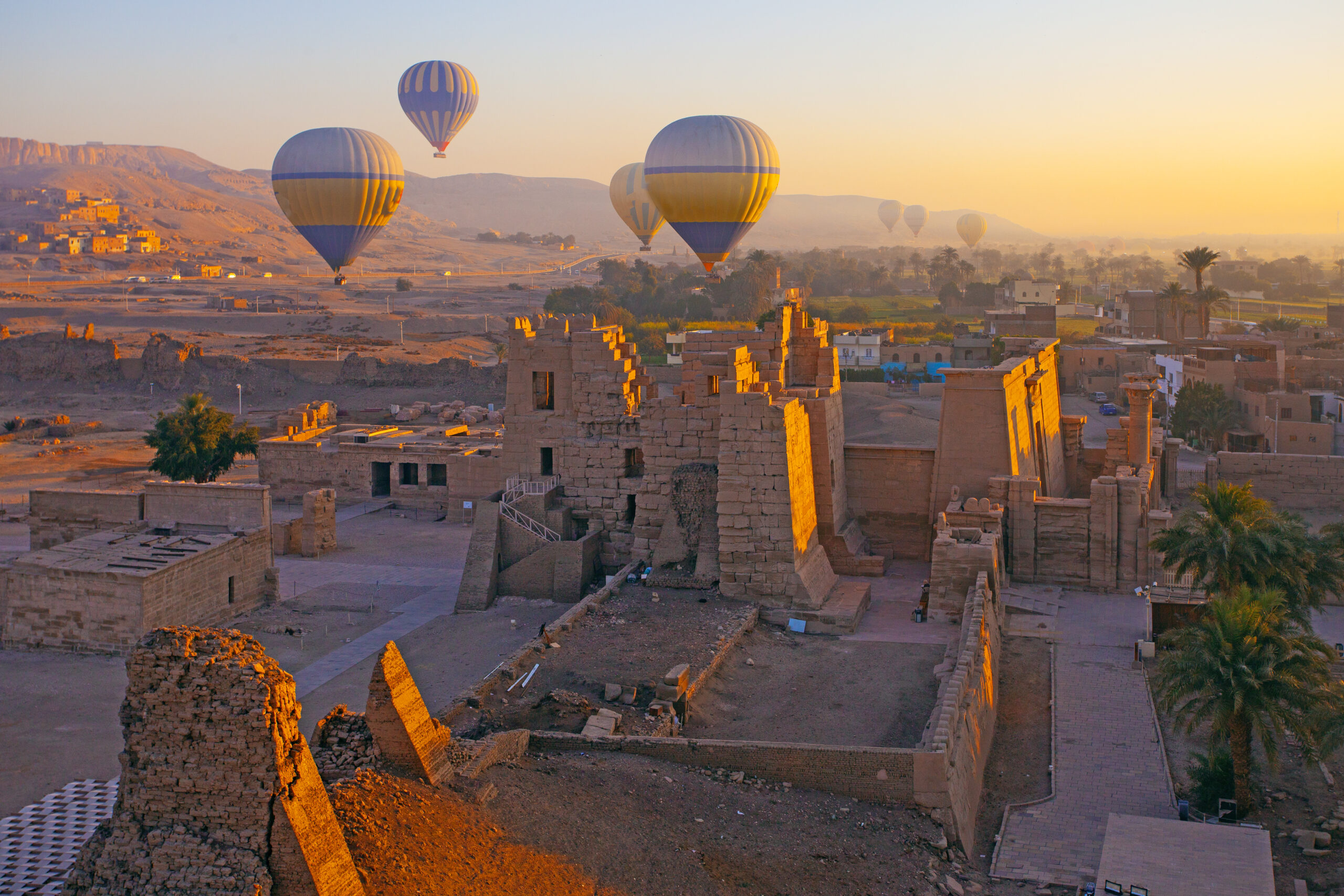
Egypt is one of a select group of twenty countries that together account for over three-quarters of global tourism. Each destination has its own unique appeal, and while recent years have seen varying levels of success, most are heading into the rest of the decade with bold ambitions. So, how does the balance sheet look for these “must-visit” destinations, and what lies ahead?
Following our look at Morocco and Tunisia, we conclude our North African trilogy with a deep dive into Egypt.
A resilient destination despite a complex backdrop
Although Morocco has recently overtaken Egypt as Africa’s top tourist destination, the Land of the Pharaohs is still thriving. With 19 million official visitors recorded last year, it remains the second most popular country on the continent. This is an impressive performance given the regional tensions that have persisted for years—factors that can understandably make some travellers hesitate. It is a pity, especially as Egypt has worked tirelessly to ensure the safety and security of its guests remains a top priority.
The truth is, Egypt remains an incomparable draw. It needs little introduction: from the iconic pyramids and ancient wonders to majestic Nile cruises, not to mention the Red Sea resorts. The latter continue to be a hit with those seeking world-class diving, sun-drenched beaches, and high-quality all-inclusive stays. These are timeless arguments that reinforce the common feeling that Egypt is a “bucket list” destination for everyone.
New horizons and shifting markets
Egypt is not simply resting on its ancient laurels or its coastline. While others might be content with what they already have, the Egyptian authorities are innovating and building for the future. A prime example is the much-anticipated opening of the Grand Egyptian Museum (GEM) in Cairo. As the world’s largest museum dedicated to a single civilisation, it is a game-changer designed to give the country’s tourism sector a massive second wind.
But the ambition doesn’t stop there. Several large-scale projects are either underway or planned for the near future.
Among these is the “New Mediterranean Riviera,” designed to ease the pressure on Red Sea resorts while offering a different coastal experience. New developments at Ras el Hekma and New Alamein feature architecture and amenities reminiscent of Dubai, clearly targeting a similar high-end international clientele.
To link it all together, the “Desert High-Speed Train” is set to become a reality, connecting the Red Sea to the Mediterranean (including New Alamein) via Aswan, Luxor, and Cairo. By the end of 2026, the journey between the capital and Aswan will be cut by two-thirds, making “multi-centre” holidays across these regions much more accessible.
These flagship projects are supported by a massive boost in infrastructure, with 250,000 additional hotel rooms planned over the next five years. Air connectivity is also expanding, with more charter and low-cost carriers encouraged to serve the country. Furthermore, visa requirements are being streamlined for many nationalities to make entry as seamless as possible. This approach is already attracting new and significant markets, including travellers from Russia, the Gulf States, Saudi Arabia, and China.
In short, the Egyptian tourism landscape is shifting gears. We are likely witnessing a major turning point as the country evolves from a “classic” heritage destination into a modern global leader in tourism. With a target of 30 million visitors per year by 2030, Egypt’s future looks as monumental as its past.

Hello! I’m Ben Fischer, a travel enthusiast who has journeyed far and wide to bring you unique and inspiring stories. Each destination is a new adventure for me, a chance to explore diverse cultures and share unforgettable experiences.
In my articles, I take you beyond mere descriptions of places. I share the encounters, special moments, and anecdotes that make each trip unique. My writing is an invitation to see the world through my eyes, blending practical tips with personal insights.
As a lifelong traveler, I approach each journey with respect and curiosity, eager to uncover the stories hidden in every corner of the globe.
