
The joint Israeli-American strikes against Iran in late February 2026 have triggered immediate and profound disruption across the travel sector. Within days, the industry has come under dual pressure: a collapse in bookings for numerous destinations far beyond the Middle East, and a surge in fuel surcharges as airlines begin to pass rising costs onto passengers.
The partial closure of regional airspace and escalating tensions around the Strait of Hormuz—a vital artery for global oil supplies—have destabilised a market that, until mid-February, was performing strongly. The long-awaited opening of the Grand Egyptian Museum (GEM) in Cairo had recently propelled Egypt to the top of the charts, with bookings up 25% compared to 2025. That momentum has now been cut short.
Destinations in Slump — Far Beyond the Middle East
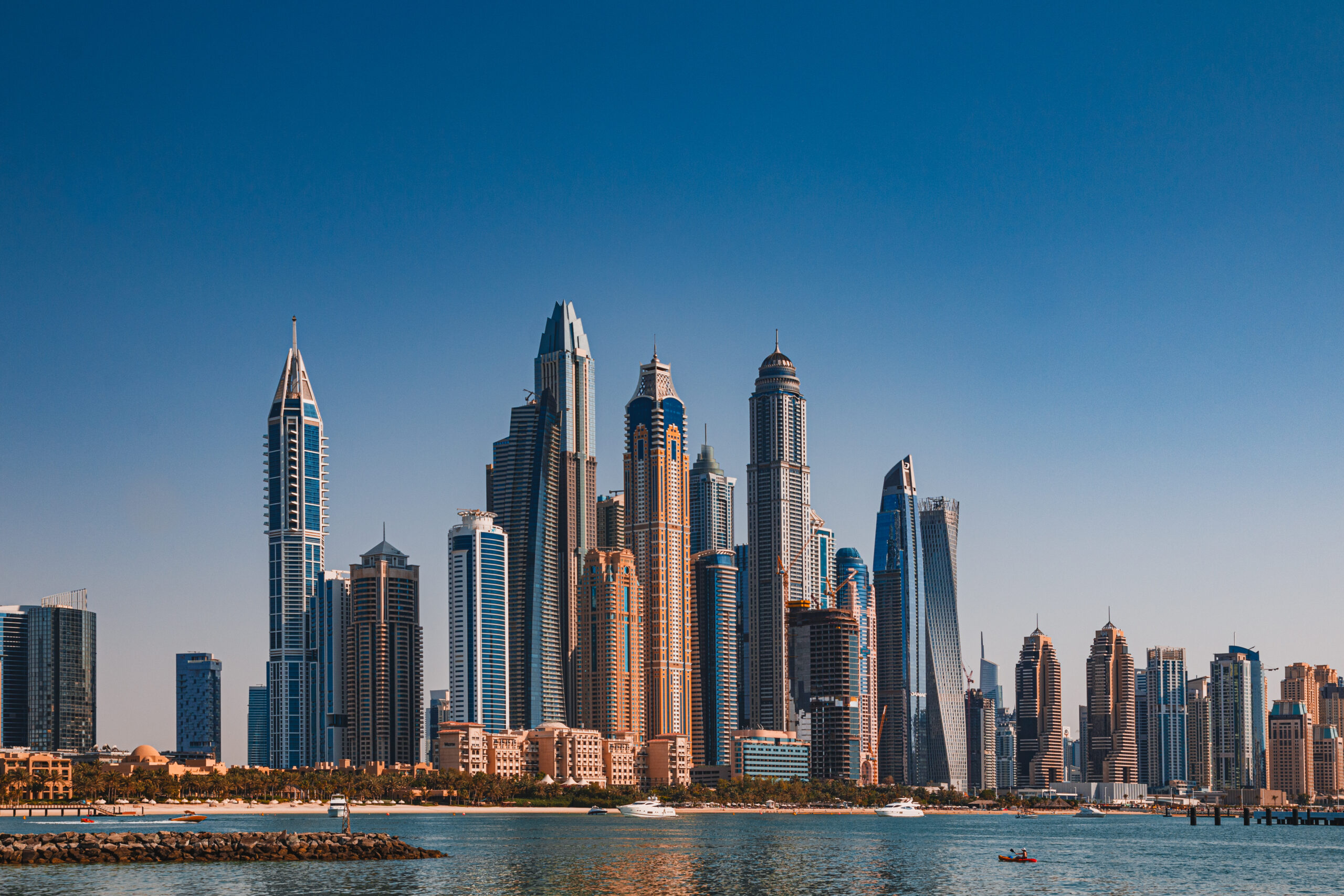
Industry data from the first ten days of March 2026 shows a 17.6% drop in overall holiday sales. Egypt has seen the most dramatic decline, with bookings plummeting by 67.3%. Jordan is also struggling; hotel occupancy in Petra has fallen below 6%, with some tourist areas recording a 90% drop in visitors. The United Arab Emirates, a critical transit hub for long-haul travel, saw bookings crash by 85% in just a few days.
The ripple effect is being felt much further afield. Southeast Asia, typically accessed via major Gulf hubs like Dubai, Abu Dhabi, or Doha, is suffering significant collateral damage. Bookings for Thailand have fallen by 51.6%, Indonesia by 63.6%, and Vietnam by 39.5%. The issue is largely structural: the disappearance of affordable connecting flights through the Middle East is forcing travellers to opt for direct routes, which are considerably more expensive. Japan remains a notable exception, with almost no change in demand (-0.5%), confirming its status as a resilient “safe haven” destination.
Conversely, some regions are benefiting from a shift in travel patterns. Spain has seen only a marginal 1.5% dip, positioning itself as a primary fallback for European travellers looking for safety and proximity. Albania continues its remarkable growth (+171%), supported by an expanding network of low-cost flights. Closer to home, Mainland France and the Caribbean also remain in the black. Globally, the World Travel & Tourism Council (WTTC) estimates daily industry losses at $600 million, while experts suggest Middle East arrivals could drop by up to 27% in 2026—representing a potential loss of $56 billion in tourism spend.
Airfares Climb as Jet Fuel Prices Soar
The conflict has also triggered a spike in aviation fuel costs. Jet fuel, which was trading between $85 and $90 a barrel before the strikes, has jumped to the $150-$200 range—a 52% increase in a fortnight. With fuel representing approximately 40% of airline operating costs, carriers have been quick to adjust their surcharges.
On March 11, Air France and KLM applied an increase of €25 per leg for long-haul economy seats, and €100 for business class. Cathay Pacific is set to nearly double its long-haul surcharge, rising from $72.90 to $149.20 starting March 18. Other carriers, including Air Europa, Sri Lankan Airlines, Air India, and Thai Airways, have followed suit. This is now a global trend.
While tickets issued prior to these increases remain valid, future bookings for the summer season will inevitably be more expensive. Analysts at Jefferies note that every 5% move in fuel prices can impact airline profits by up to 35%, depending on their hedging strategies. Ryanair, which secured 84% of its fuel needs at $77 a barrel, currently enjoys a price cushion that many of its competitors lack.
A Long-Term Shift in Travel Flows?
The current crisis is accelerating trends that have been emerging since the pandemic: a shift back toward “close-to-home” European destinations, the prioritisation of safety in travel choices, and an increased sensitivity to price. Spain, which was already targeting 100 million foreign visitors annually, may reach that goal sooner than expected as travellers pivot away from the East.
For tour operators, the challenge over the coming weeks will be adjusting their programmes with very little visibility on how long the conflict might last. Economists warn that fuel surcharges often become a structural part of airfares once passengers get used to paying them. This risk could weigh heavily on global demand as we approach the peak summer season, even for destinations with no direct link to the current geopolitical tensions.

Hello! I’m Ben Fischer, a travel enthusiast who has journeyed far and wide to bring you unique and inspiring stories. Each destination is a new adventure for me, a chance to explore diverse cultures and share unforgettable experiences.
In my articles, I take you beyond mere descriptions of places. I share the encounters, special moments, and anecdotes that make each trip unique. My writing is an invitation to see the world through my eyes, blending practical tips with personal insights.
As a lifelong traveler, I approach each journey with respect and curiosity, eager to uncover the stories hidden in every corner of the globe.
