
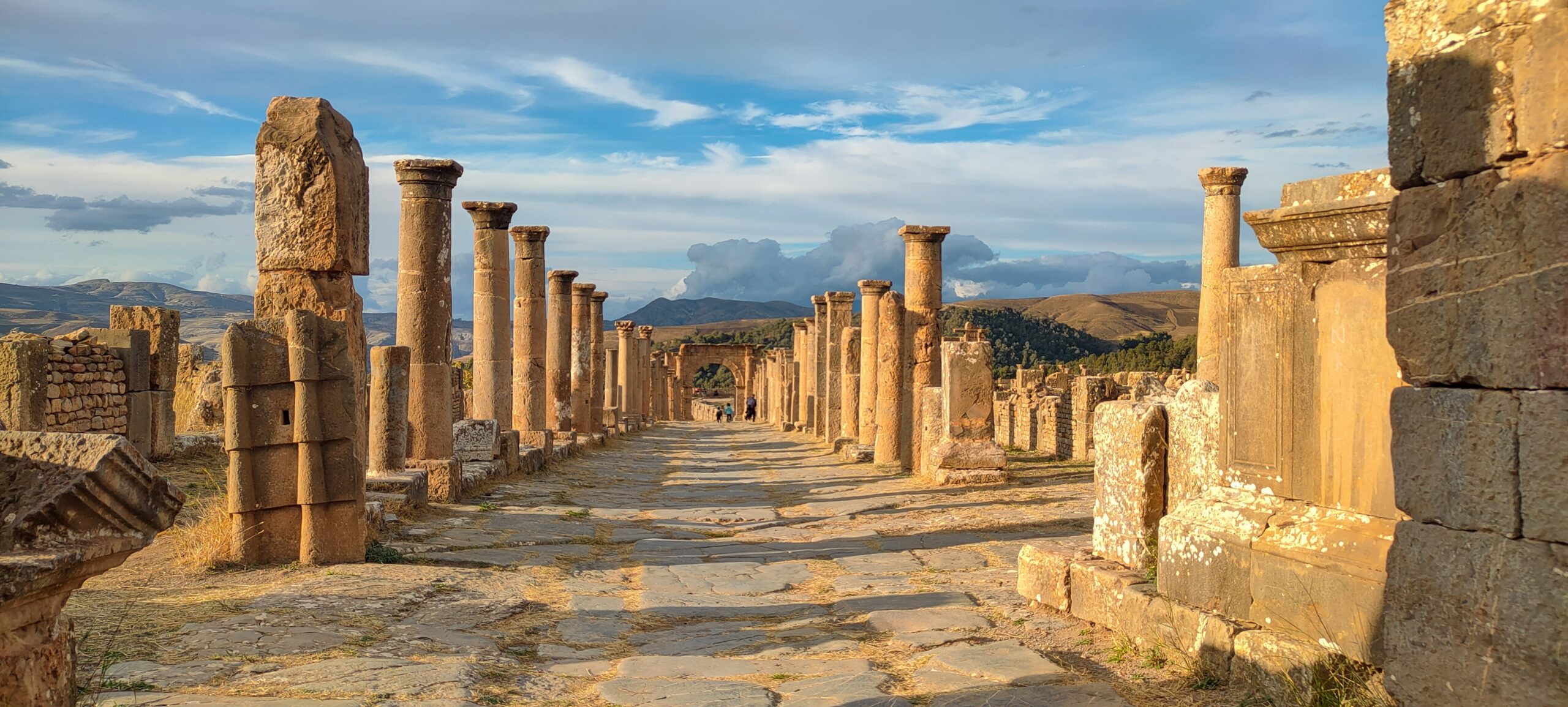
The African Travel and Tourism Association (ATTA) has released its annual industry trends report, positioning Algeria at the forefront of African destinations to watch this year. Alongside Angola, the country is highlighted as one of two “off-the-beaten-track” African locations seeing a significant surge in interest from international travellers.
This recognition follows a strong performance in 2024, when Algeria welcomed over 3.5 million foreign visitors—a 10% increase compared to 2023. Saharan tourism has been particularly buoyant, with more than 22,700 international tourists venturing into the southern regions.
The publishing world is also taking note. In 2026, Lonely Planet is releasing a new edition of its Algeria guide. Covering everything from the Casbah of Algiers to the Tassili N’Ajjer and the dunes of the Grand Erg, the move is a telling sign. For a publisher that gauges its releases based on real-world demand, dedicating an updated guide to a country long absent from mainstream tourism suggests a genuine shift in travel interest.
What is drawing travellers to Algeria?
The ATTA report identifies several key drivers behind this momentum. Sustained investment in transport and accommodation infrastructure has made the country more accessible, while visa reforms have simplified the entry process for many foreign nationals. In particular, the visa-on-arrival scheme—introduced for those visiting Saharan zones and the High Plateaus—has proven a game-changer for access.
The association also points to Algeria’s rich cultural heritage and the growing appetite for destinations away from the traditional tourist hubs. With its ancient Roman sites, vast Saharan landscapes, and Mediterranean coastline, the country offers a diverse range of experiences that remain relatively undiscovered internationally. According to the report, excellent value for money, reliable winter sun, and unique cultural itineraries are the primary draws for curious travellers seeking something different.
A long-term vision for tourism
Algeria’s rise reflects a broader trend identified by ATTA: an accelerating demand for African destinations driven by a desire for cultural immersion, nature conservation, and “slow travel.”
While North Africa as a whole is benefiting from this trend, Algeria has set its sights high. After aiming for 4 million visitors in 2025, Algerian authorities have announced even more ambitious targets for 2030. This institutional commitment, backed by growing international recognition, puts Algeria in a prime position to capture a larger share of the European market—particularly travellers from the UK, France, Italy, and Germany looking for fresh Mediterranean and Saharan horizons.

Hello! I’m Ben Fischer, a travel enthusiast who has journeyed far and wide to bring you unique and inspiring stories. Each destination is a new adventure for me, a chance to explore diverse cultures and share unforgettable experiences.
In my articles, I take you beyond mere descriptions of places. I share the encounters, special moments, and anecdotes that make each trip unique. My writing is an invitation to see the world through my eyes, blending practical tips with personal insights.
As a lifelong traveler, I approach each journey with respect and curiosity, eager to uncover the stories hidden in every corner of the globe.
