
While the “European Capital of Culture” title has been around since 1985, it doesn’t always grab the headlines—especially if no city in your own country is currently holding the crown. However, for those looking to get ahead of the travel trends, the cities selected for the 2026 edition have just been announced.
For most, Oulu and Trenčín are hardly household names. The former is Finland’s fourth-largest city, perched just below the Arctic Circle, while the latter is a mid-sized Slovakian town sitting right on the Czech border.
Oulu: Where High-Tech meets the Wild
Home to around 200,000 people, Oulu sits on the edge of the Gulf of Bothnia in northern Finland. While it might feel like it’s tucked away in the middle of the wilderness, it’s a remarkably young, vibrant, and bustling city. It has built a solid reputation for seamlessly blending high-tech innovation with a deep love for nature.
You might not realise it, but Oulu is actually one of Europe’s major technology hubs, a legacy of the glory days of Nokia when the Finnish giant led the world in telecoms. Today, it remains a creative and innovative pocket of life surrounded by vast, quiet landscapes.
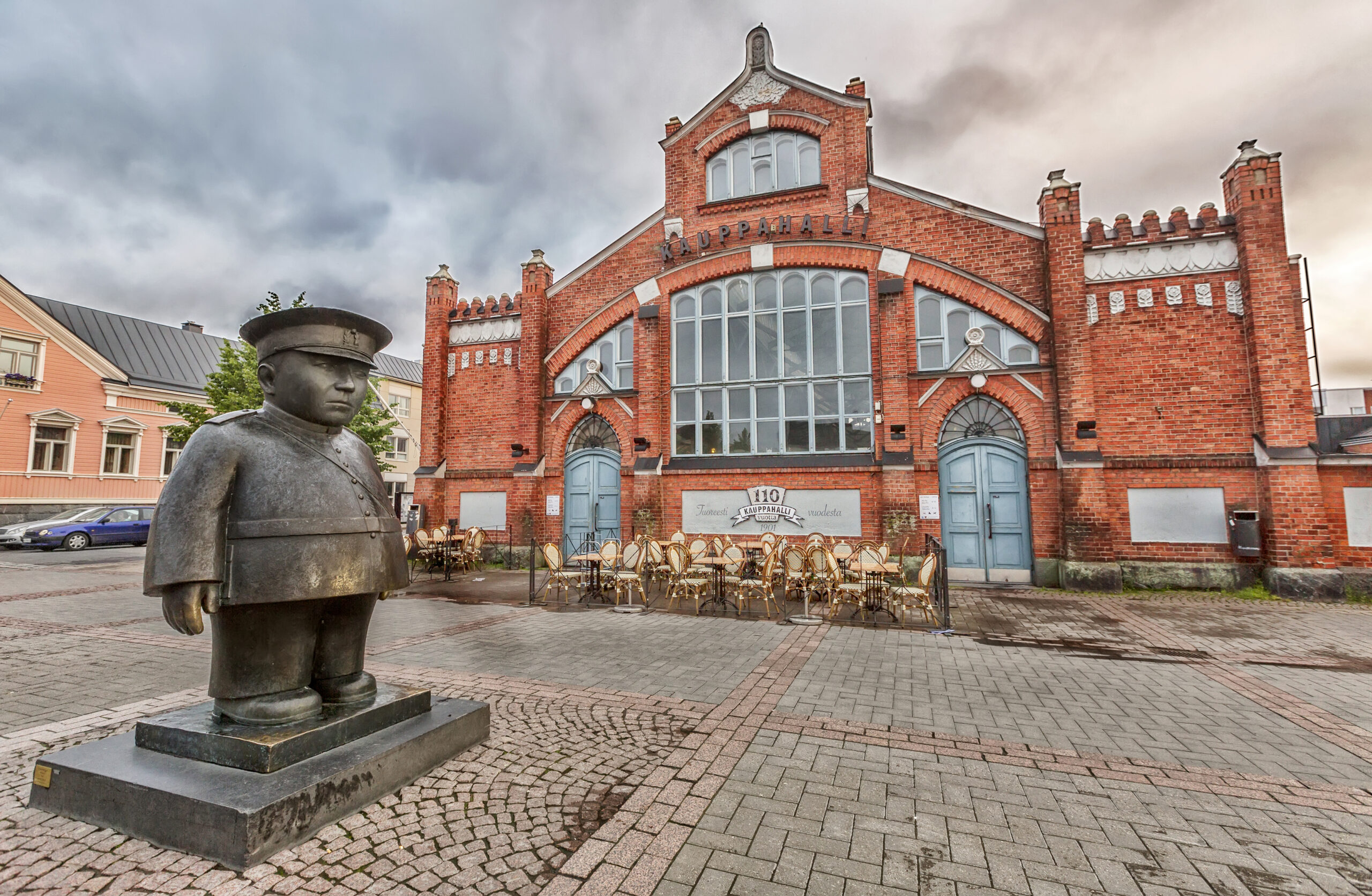
This creative energy manifests in some rather unique ways. Oulu is the undisputed winter cycling capital of the world (where locals still peddle to work at -20°C!), and its most famous landmark is a statue of a “chubby policeman” overlooking the market square. It also hosts the annual World Air Guitar Championships. For its tenure as Capital of Culture, the city has decided to celebrate two local passions: ice hockey and car tuning. Clearly, these are subjects close to the hearts of the Ouluans.
Trenčín: History and “Curiosity”
A little more traditional—though no less charming—is the Slovakian city of Trenčín. With a population of 50,000, the town lives in the shadow of its magnificent medieval castle, which towers over the landscape from a rocky crag.
Here, history and legend go hand in hand. In the old town, you’ll find the “Well of Love,” an 80-metre-deep feat of engineering linked to a romantic legend involving a Turkish nobleman and his beloved. To celebrate its 2026 cultural status, the city is launching a flagship project called “Curiosity,” which will see art installations popping up in unusual locations and repurposed industrial spaces. It’s a perfect example of how the city is bridging the gap between its past and its future.
What is the “European Capital of Culture” all about?
For forty years now, the European Union has designated annual Capitals of Culture to highlight the sheer diversity and cultural wealth of cities across the continent. The aim is to encourage cultural exchange and bring people together.
In practical terms, the chosen cities spend a year putting their heritage and creative spirit in the spotlight through exhibitions, festivals, and major public events. It’s a fantastic opportunity for these destinations to refresh their image and introduce themselves to the rest of Europe.
The selection process isn’t random; it follows a strict rotation system. For the last fifteen years, two cities have been chosen annually: one from the “older” EU member states and one from the newer additions. Every three years, a third city from a non-EU country is also included.
Because cities are selected by their respective countries four years in advance, we already know who’s next in line. For instance, in 2028, the French city of Bourges will share the spotlight with České Budějovice in the Czech Republic and Skopje in North Macedonia.
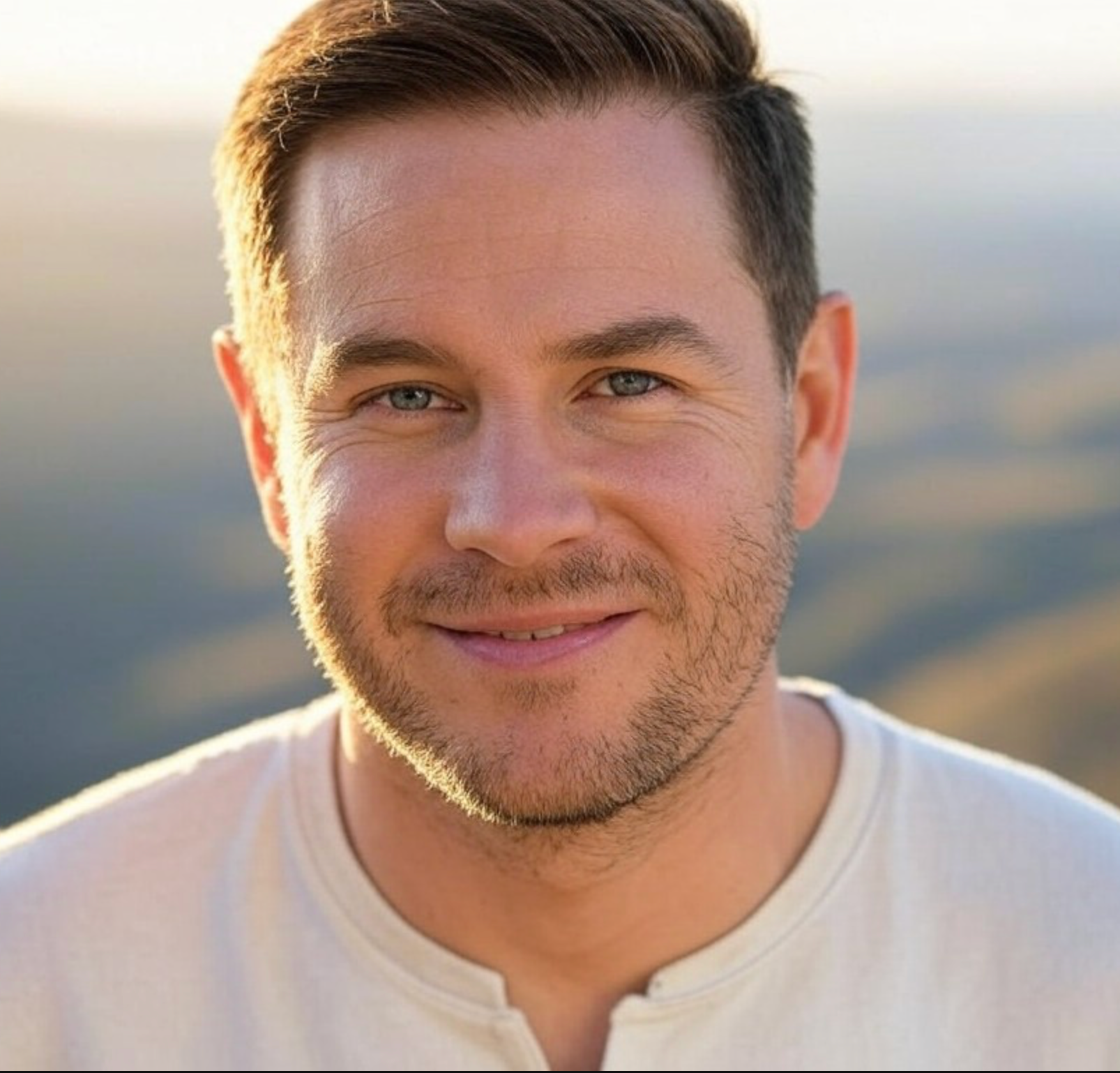
Hello! I’m Ben Fischer, a travel enthusiast who has journeyed far and wide to bring you unique and inspiring stories. Each destination is a new adventure for me, a chance to explore diverse cultures and share unforgettable experiences.
In my articles, I take you beyond mere descriptions of places. I share the encounters, special moments, and anecdotes that make each trip unique. My writing is an invitation to see the world through my eyes, blending practical tips with personal insights.
As a lifelong traveler, I approach each journey with respect and curiosity, eager to uncover the stories hidden in every corner of the globe.
