
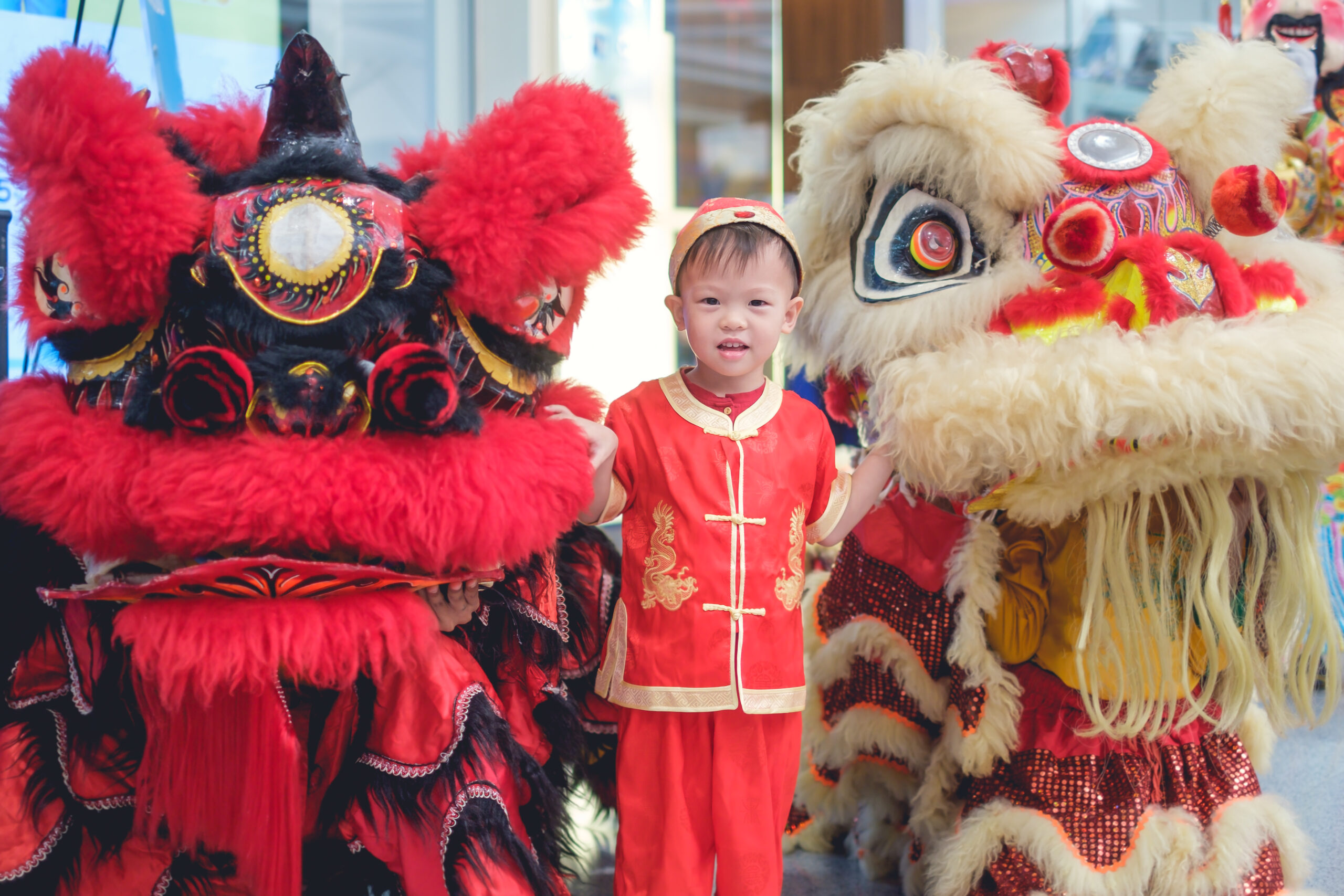
Chinese New Year is the most significant event in the Chinese calendar. Far more than just a public holiday, it is a season of renewal, family reunions, and a deep-rooted celebration of ancient traditions. Unlike the Gregorian New Year on 1st January, the date shifts every year according to the lunar cycle, typically falling between late January and February. For 2026, the festivities are set to kick off on Tuesday, 17 February.
Weeks of festivities and ceremonies
The celebrations aren’t limited to a single day. In fact, they officially span three weeks, with preparations beginning a good week before the main event.
As a tradition that has endured for millennia, it is a pivotal moment in Chinese society. It triggers what is often described as the world’s largest annual human migration, as tens of millions of people travel across the country to return to their hometowns and spend time with their loved ones.
Here is a look at the different stages of the festival:
The Lead-up A week before the big day, families hold a “farewell ceremony” for the Kitchen God (the guardian of the household). According to legend, he departs to report the family’s conduct over the past year to the Jade Emperor. To ensure a favourable report, families offer him food—sweet treats are preferred, the idea being to “sweeten” his words or stick his teeth together so he can’t speak ill of them!
To ward off Nian—a mythical beast said to emerge on New Year’s Eve to feed on livestock and people—firecrackers are let off, torches are lit, and doors are adorned with red paper. Red is the essential colour of the New Year, symbolising luck and protection.
The Big Day When the date finally arrives, the focus shifts to the New Year feast. Every dish served is steeped in symbolism, carefully chosen to bring good luck to the gathered family. The selection and even the number of dishes are intended to invite longevity, peace, wealth, wisdom, and academic success into the home. Rituals like offering lotus seeds, drinking jujube tea, and eating stuffed dumplings (jiaozi) are all part of the effort to invite good fortune for the year ahead.
This is also the day you’ll see the famous Dragon Dances and vibrant parades that are so iconic in global news coverage of the event.
The Aftermath In the days following, people take the time to visit friends and extended relatives to exchange well-wishes for the year ahead. The celebrations eventually culminate in the beautiful Lantern Festival, another highlight often featured in travel documentaries for its stunning visual displays.

Travelling to China during the New Year
A word of advice: visiting China during the New Year period isn’t necessarily the best idea for a typical tourist, unless you have local friends or family to stay with.
While the cultural significance is fascinating, the practicalities can be a challenge. Transport is incredibly crowded, and in the major cities, many shops and restaurants close as residents head back to their ancestral provinces. You may find yourself in “ghost towns” where the silence is only broken by the deafening, round-the-clock crackle of firecrackers, which inevitably set off rows of car alarms at all hours of the night.

Hello! I’m Ben Fischer, a travel enthusiast who has journeyed far and wide to bring you unique and inspiring stories. Each destination is a new adventure for me, a chance to explore diverse cultures and share unforgettable experiences.
In my articles, I take you beyond mere descriptions of places. I share the encounters, special moments, and anecdotes that make each trip unique. My writing is an invitation to see the world through my eyes, blending practical tips with personal insights.
As a lifelong traveler, I approach each journey with respect and curiosity, eager to uncover the stories hidden in every corner of the globe.
