
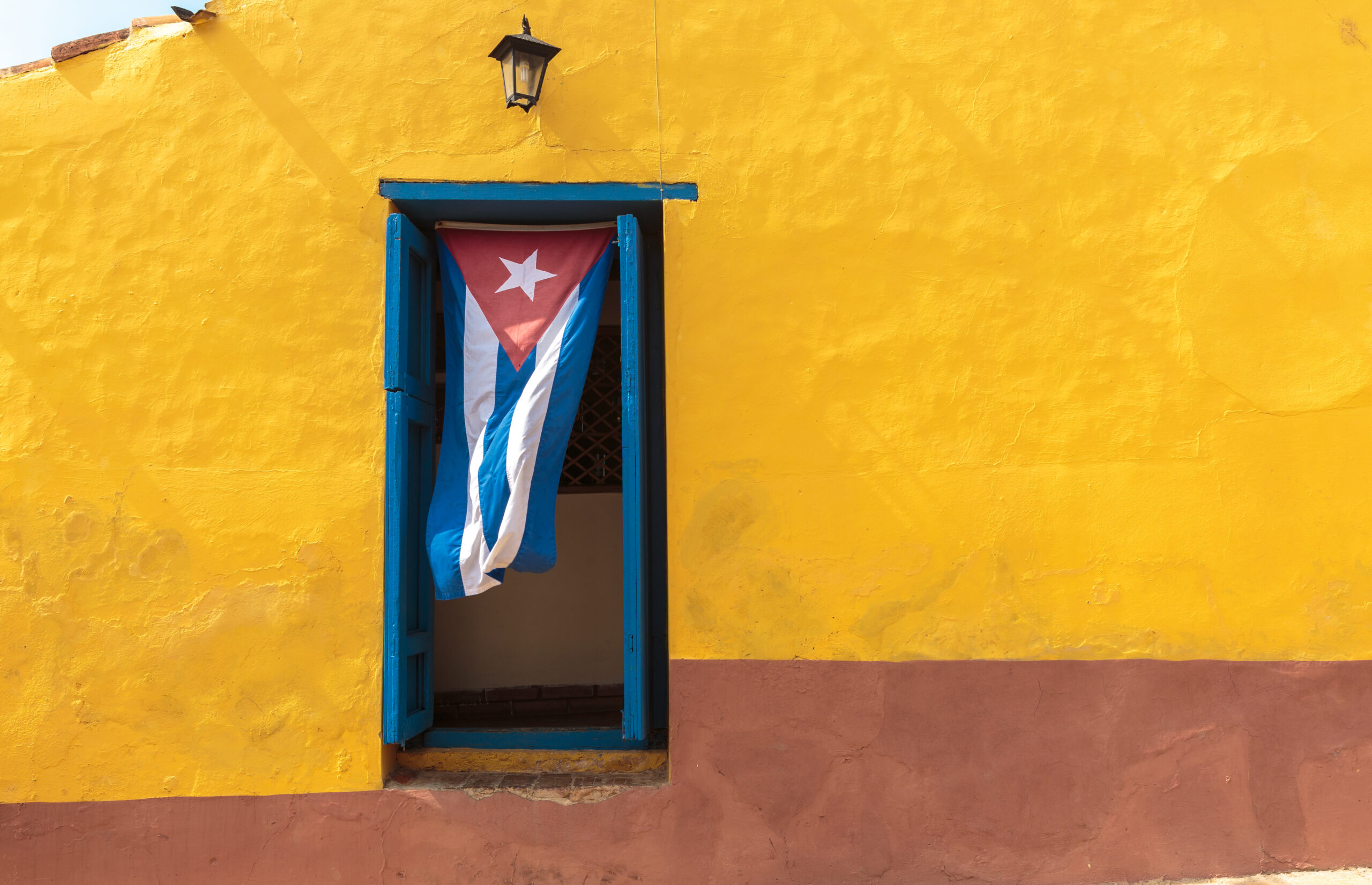
Not long ago, we discussed the precarious state of tourism in Cuba and its rather gloomy outlook within a deeply complex local and international context. Despite the dark clouds, a glimmer of hope remained—a sense that the endless downward spiral triggered years ago by a multitude of factors might finally stabilise.
However, the latest measures taken by the Trump administration against the island suggest the exact opposite. In fact, things look set to get much worse.
A deliberate attempt to suffocate
While relations between Cuba and the US have been strained for decades, Washington’s recent decisions mark a significant escalation in what is now a clear attempt to economically and sociopolitically suffocate the island. The ultimate goal? Regime change in Havana.
To put it briefly, the island is now officially classified as an “unusual and extraordinary threat to American sovereignty,” resulting in a total energy embargo. This includes the implementation of punitive tariffs on third-party countries—notably Mexico and Venezuela—should they continue to supply the country with oil. Furthermore, almost all international financial transactions involving the island are being blocked. It is a strategy designed to trigger a collapse, and in doing so, deal a fatal blow to the tourism industry.
Immediate repercussions on the ground
The fallout for the travel sector has been instantaneous. No airline landing on Cuban soil is currently able to refuel, a move that has already forced several carriers to scrap the destination from their schedules entirely.
On the ground, these “Made in the USA” regulations are hitting hard. Hotels, particularly in the cayos, are closing their doors, while remaining tourists are being consolidated into a handful of establishments to conserve energy. Bus and ferry routes have been slashed or suspended altogether. Some countries that traditionally provide a steady stream of visitors are even questioning whether they will soon need to repatriate their citizens. To top it off, skyrocketing inflation is looming, threatening to make a bad situation even worse.
There is a growing sense that we might be witnessing the end of Cuban tourism as we have known it for decades—with its highs, its lows, and its occasionally questionable excesses—which, despite everything, had managed to find a loyal following.
This doesn’t necessarily mean that tourism on the island will vanish entirely. Instead, it may revert to the form it took in the post-war years, when Cuba was under the thumb of the Mob with the active complicity of the Batista regime. Time will tell. And while we might not yet know who the next Batista will be, we certainly know where to find the head of the “Mafiosi.” Word has it he lives in a big white house…
Hello! I’m Ben Fischer, a travel enthusiast who has journeyed far and wide to bring you unique and inspiring stories. Each destination is a new adventure for me, a chance to explore diverse cultures and share unforgettable experiences.
In my articles, I take you beyond mere descriptions of places. I share the encounters, special moments, and anecdotes that make each trip unique. My writing is an invitation to see the world through my eyes, blending practical tips with personal insights.
As a lifelong traveler, I approach each journey with respect and curiosity, eager to uncover the stories hidden in every corner of the globe.
