
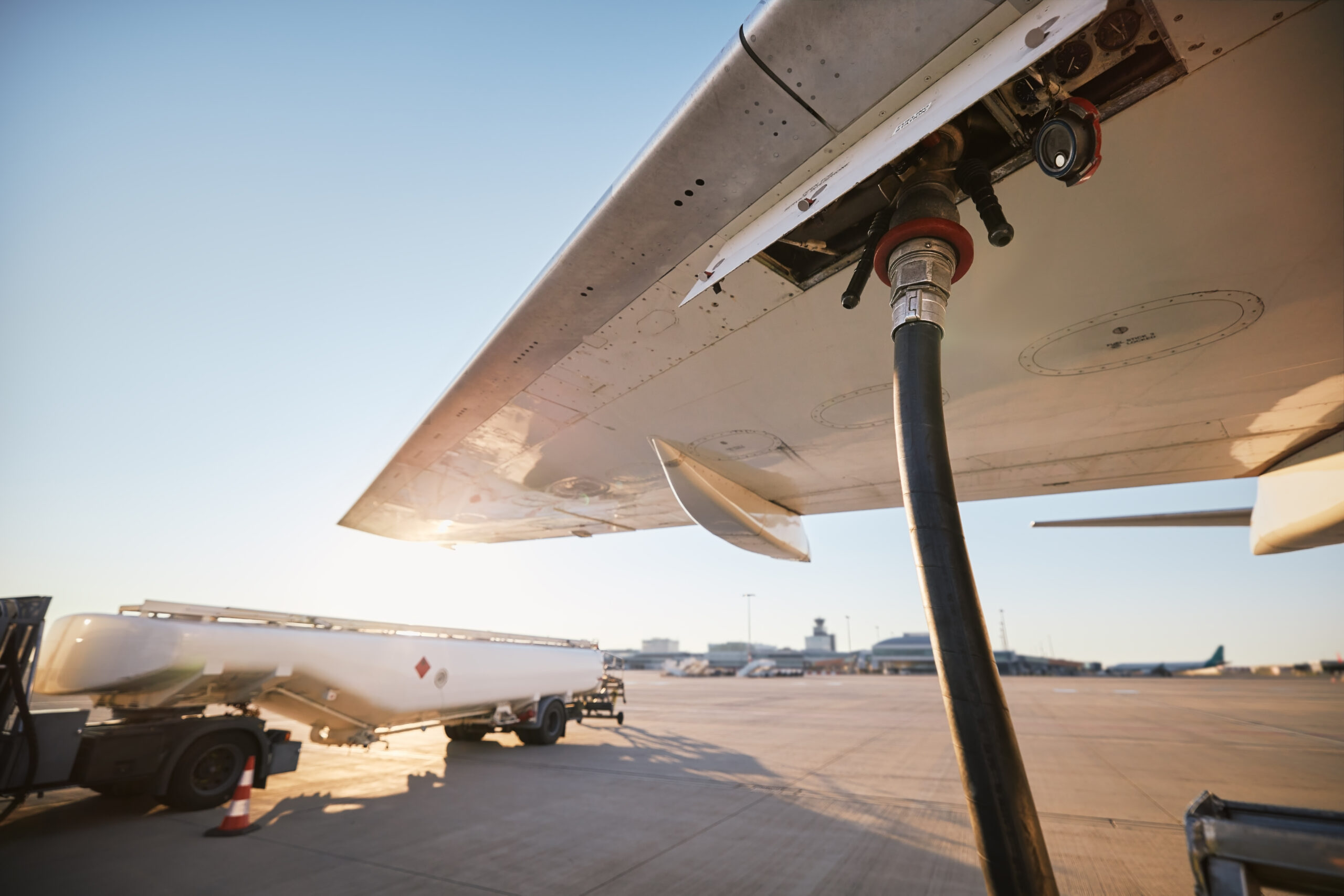
The ongoing conflict in the Middle East is hitting the aviation industry with a double blow. Beyond the immediate chaos of rerouted flight paths and disrupted traffic through traditional Gulf hubs, the regional instability has sent fuel prices soaring—and airlines are feeling the heat. The surge in kerosene costs is now so significant that many carriers are being forced to overhaul their networks, with dozens of routes suspended indefinitely.
From Vietnam to New Zealand: A Global Shortage
Of all the nations grappling with fuel scarcity and skyrocketing prices, Vietnam is perhaps the most striking case.
On one hand, the national carrier, Vietnam Airlines, is in robust financial health, boasting ambitious expansion plans and a clear drive to increase its global footprint. On the other, the country’s fuel supply chain is precariously linked to Iranian oil. While this dependency isn’t direct—Vietnam primarily sources its fuel through Thailand and China—those two key suppliers are heavily reliant on the Iranian market.
With Thailand and China moving to halt exports to Vietnam, the national carrier and its domestic competitors are facing a looming kerosene deficit as early as next month. Consequently, Vietnam Airlines is considering a drastic reduction, or even a total suspension, of most domestic routes and several non-essential international services. These cuts are expected to last several months or until market stability returns. For travellers, this inevitably means fewer options and almost certain fare hikes on the remaining flights.
A Worldwide Ripple Effect
Vietnam is far from alone in this predicament. In the South Pacific, Air New Zealand has just announced significant cuts to its domestic and regional networks, alongside price increases. Estimates suggest around 5% of the airline’s total operations will be affected, impacting tens of thousands of passengers.
Across the Atlantic, US giants United, American Airlines, and Delta are bracing for “explosive” fuel bills. Much like their international counterparts, they are anticipating a necessary scale-back in activity to offset these surging overheads.
The outlook in Europe is equally sobering. While French carriers and major low-cost airlines have yet to announce official cuts, industry insiders suggest a reduction in traffic is increasingly likely in the coming weeks. Some, however, have already blinked: SAS (Scandinavian Airlines) is set to cancel approximately 1,000 flights in April, primarily across its Nordic network.
It is a frustrating paradox for the modern traveller: just as global demand for air travel reaches new heights, the industry is being forced to contract under the weight of geopolitical reality.

Hello! I’m Ben Fischer, a travel enthusiast who has journeyed far and wide to bring you unique and inspiring stories. Each destination is a new adventure for me, a chance to explore diverse cultures and share unforgettable experiences.
In my articles, I take you beyond mere descriptions of places. I share the encounters, special moments, and anecdotes that make each trip unique. My writing is an invitation to see the world through my eyes, blending practical tips with personal insights.
As a lifelong traveler, I approach each journey with respect and curiosity, eager to uncover the stories hidden in every corner of the globe.
