
In a move reminiscent of how several top-tier destinations pivoted during the pandemic, Dubai is “making the most” of the current dip in visitor numbers. The city is hard at work upgrading its infrastructure and services, ensuring that when the crowds inevitably return from every corner of the globe, they are met with a more seamless experience than ever before.
Hotels, Transport, and Everything in Between
One could argue that, until recently, there simply wasn’t enough breathing room for these upgrades. Before regional tensions shifted the travel landscape, Dubai was operating at full throttle. Authorities were occupied with managing millions of annual visitors, often prioritizing only the most profitable or high-profile “megaprojects.”
However, given the current climate, Dubai has pivoted toward a new wave of construction and refinement. The goal? To unveil a side of the city that is even more ambitious and grand than the one we already know.
A Fresh Look for Iconic Landmarks
The hospitality sector is leading the charge. With several “mega-hotels” seeing a temporary dip in occupancy or brief closures, management teams have seized the opportunity to renovate. Many long-planned refurbishments are finally underway. This includes significant work on the Burj Al Arab—the iconic, sail-shaped silhouette that remains the definitive symbol of luxury for the city and the United Arab Emirates.
Moving Millions: Taxis and the Metro
On the ground, transportation is seeing a massive boost. Hundreds of new taxi licenses have recently been granted, with the goal of bringing the city’s fleet to a staggering 7,000 vehicles.
For those who prefer public transit, the long-awaited Gold Line project for the Dubai Metro has officially been approved. Designed as a model for sustainable urban travel, this underground line will span approximately 26 miles (42 kilometers) and serve 18 stations. Crucially, it will provide vital links to the existing metro lines and the Etihad Rail network, making the city more accessible for travelers arriving from other parts of the country.
A More Inclusive, World-Class Destination
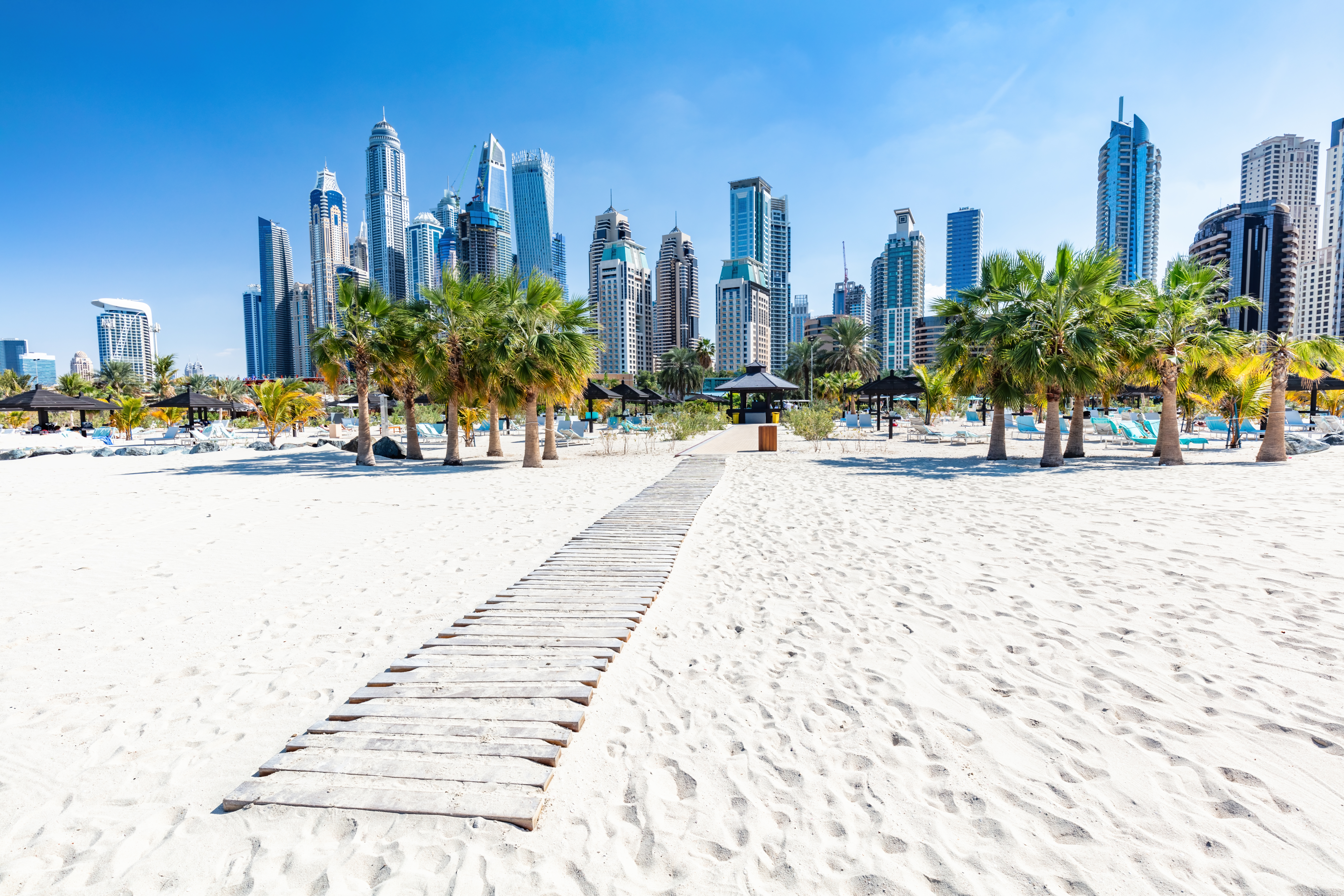
The upgrades don’t stop at transport and hotels. The city is also modernizing its beaches to maintain their status as world-class coastal retreats. Furthermore, new digital tools are being implemented to facilitate better communication and feedback between tourists and local operators.
In a significant step toward accessibility, Dubai has also introduced a new Sign Language Charter. This initiative aims to establish the city as a global gold standard for inclusive travel, ensuring that every visitor—regardless of ability—can navigate the city with ease.
It’s clear that a “new-look” Dubai is emerging from this period of transition, ready to welcome the world back with even more flair and efficiency.
Traveler Tip: Getting to Dubai from the U.S.
For American travelers, Dubai remains highly accessible via Emirates, which offers direct flights from major hubs like NYC (JFK), Los Angeles (LAX), and Chicago (ORD). While U.S. citizens currently enjoy a 30-day visa-on-arrival (free of charge), it is always worth checking the latest travel advisories and entry requirements before booking your trip to ensure a smooth journey.

Hello! I’m Ben Fischer, a travel enthusiast who has journeyed far and wide to bring you unique and inspiring stories. Each destination is a new adventure for me, a chance to explore diverse cultures and share unforgettable experiences.
In my articles, I take you beyond mere descriptions of places. I share the encounters, special moments, and anecdotes that make each trip unique. My writing is an invitation to see the world through my eyes, blending practical tips with personal insights.
As a lifelong traveler, I approach each journey with respect and curiosity, eager to uncover the stories hidden in every corner of the globe.
