
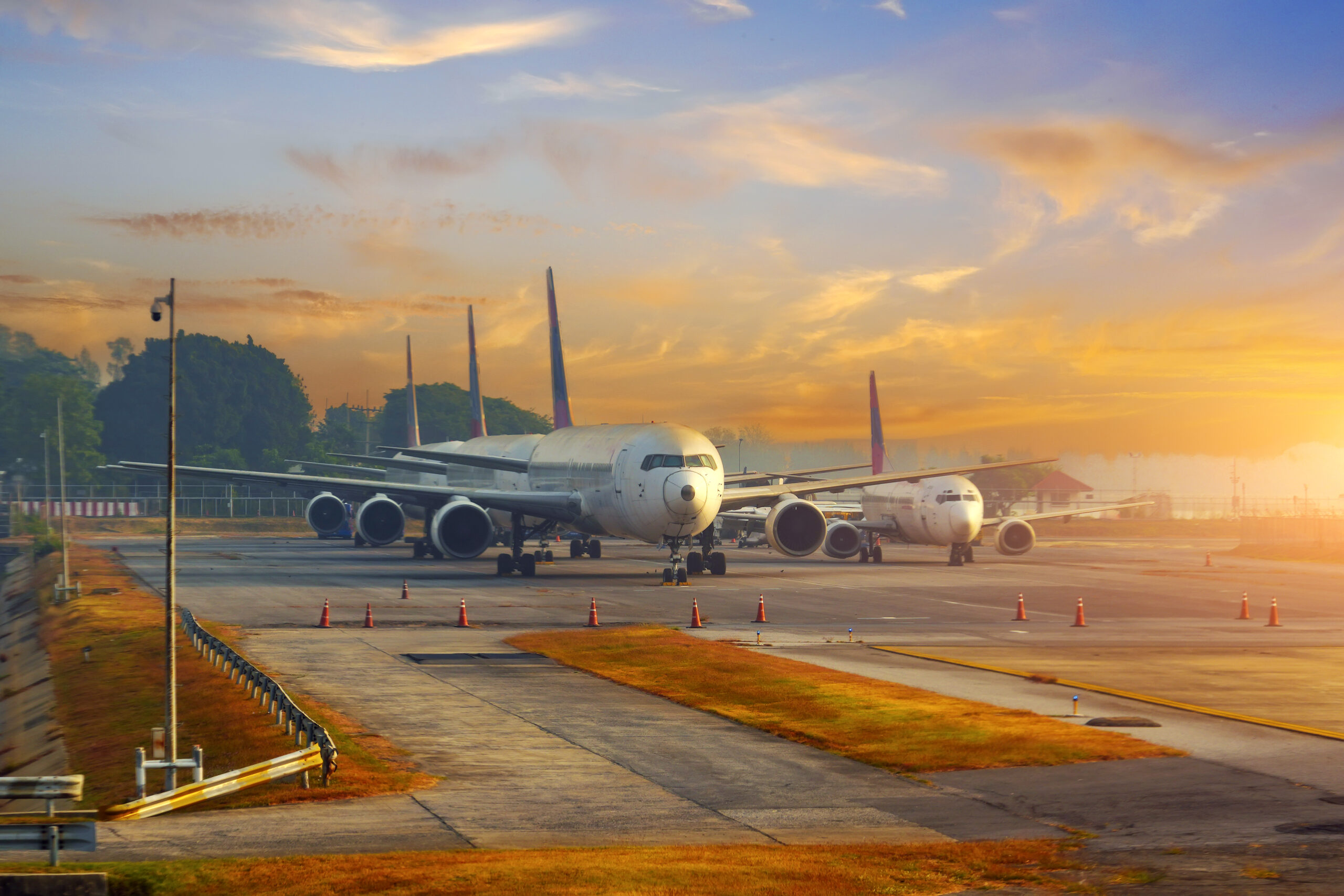
Since the outbreak of the conflict in the Middle East, the price of aviation fuel has skyrocketed. Rates have surged from approximately $750 per ton to nearly $2,000 in early April—two and a half times higher than the 2025 average. Because fuel typically accounts for about a quarter of an airline’s operating costs, the industry remains incredibly vulnerable to these geopolitical shocks.
As a result, many carriers have reached a breaking point. To stay afloat or minimize losses, they are being forced to hike ticket prices, overhaul their flight paths, and slash flight volumes. For travelers, this means more than just “sticker shock” at checkout; it presents a real risk of last-minute cancellations and reduced flight frequencies in the coming days, weeks, and months.
Here is a snapshot of how the industry is reacting across the globe:
Across Europe
- Air France: Surprisingly, the French flag carrier is currently less impacted than its peers. This is because they successfully “hedged” their fuel costs—locking in lower rates for the current half-year before the crisis hit. While ticket prices are still rising and domestic frequencies are being trimmed, major cancellations are currently unlikely (with the exception of routes to Cuba and parts of the Gulf).
- KLM: The Dutch carrier is the latest to scale back operations. Roughly 160 European flights scheduled for May have been scrapped, as they are no longer “financially viable” given current fuel prices.
- Lufthansa: The German giant recently announced the grounding of its CityLine subsidiary. Its fleet of around 30 aircraft was deemed too old and fuel-thirsty to remain profitable in this environment.
- Norse Atlantic: This long-haul low-cost carrier will not be operating its summer service between Los Angeles (LAX) and several European capitals, including Paris.
- Ryanair: The budget king has warned passengers to expect a 5% to 10% reduction in its flight schedule between May and July.
- SAS: The Scandinavian carrier was among the first to react, canceling a thousand flights in April—primarily across its Nordic network—with similar cuts expected to follow.
- Volotea: The low-cost carrier has already reduced several regional routes, notably those serving Corsica, citing the Middle East crisis and soaring fuel overheads.
Around the World
- American Airlines: Despite trying to hold the line, the US powerhouse is now consolidating traffic into its primary hubs and abandoning secondary routes for both domestic and international service.
- Delta Air Lines: Starting this month, Delta has cut numerous domestic rotations, a move mirrored by several other major US carriers and budget airlines.
- United Airlines: United was the first major US carrier to react aggressively, slashing its flight volume by 5% as early as March.
- Air New Zealand: The carrier has trimmed its domestic and regional networks while simultaneously raising fares. Expect about a 5% reduction in overall activity until market conditions stabilize.
- Cathay Pacific: The Hong Kong-based airline and its subsidiaries have cut their flight schedules by 5% to 6% for the May and June period.
- Gulf Carriers: Being in close proximity to the conflict, carriers like Emirates and Qatar Airways are facing massive disruptions. Despite their location, they still purchase fuel at market rates. Currently, Emirates has seen a third of its flights affected, while Qatar Airways has had to cancel or reschedule up to three-quarters of its operations, leading to significant price hikes for passengers.
- African Airlines: Due to infrastructure challenges, aviation fuel is often more expensive in Africa than elsewhere. Local carriers are struggling, with many reducing flight volumes. In Nigeria, some airlines are even considering a total suspension of domestic service in the near future.
- Chinese Airlines: Most are pivoting away from “secondary” direct flights, choosing instead to funnel passengers through major hubs toward only their most profitable destinations.
- Indian Airlines: For the moment, Indian carriers have chosen to pass the cost directly to the consumer with heavy price increases rather than cutting routes. However, industry analysts suggest this strategy may not be sustainable for long.
- Vietnam Airlines: The carrier has significantly reduced or suspended most domestic routes and several non-priority international flights, a measure expected to last for several months.
Additional Travel Risks
Beyond fuel costs, several routes are being suspended or heavily restricted due to the inherent risks of flying near conflict zones. This includes travel to Israel and various Gulf airports.
Furthermore, travel to Cuba is becoming increasingly difficult. Several Canadian carriers, Spain’s Iberia, and even Air France have recently announced they are abandoning service to Havana for the time being, citing both economic and operational challenges.

Hello! I’m Ben Fischer, a travel enthusiast who has journeyed far and wide to bring you unique and inspiring stories. Each destination is a new adventure for me, a chance to explore diverse cultures and share unforgettable experiences.
In my articles, I take you beyond mere descriptions of places. I share the encounters, special moments, and anecdotes that make each trip unique. My writing is an invitation to see the world through my eyes, blending practical tips with personal insights.
As a lifelong traveler, I approach each journey with respect and curiosity, eager to uncover the stories hidden in every corner of the globe.
