
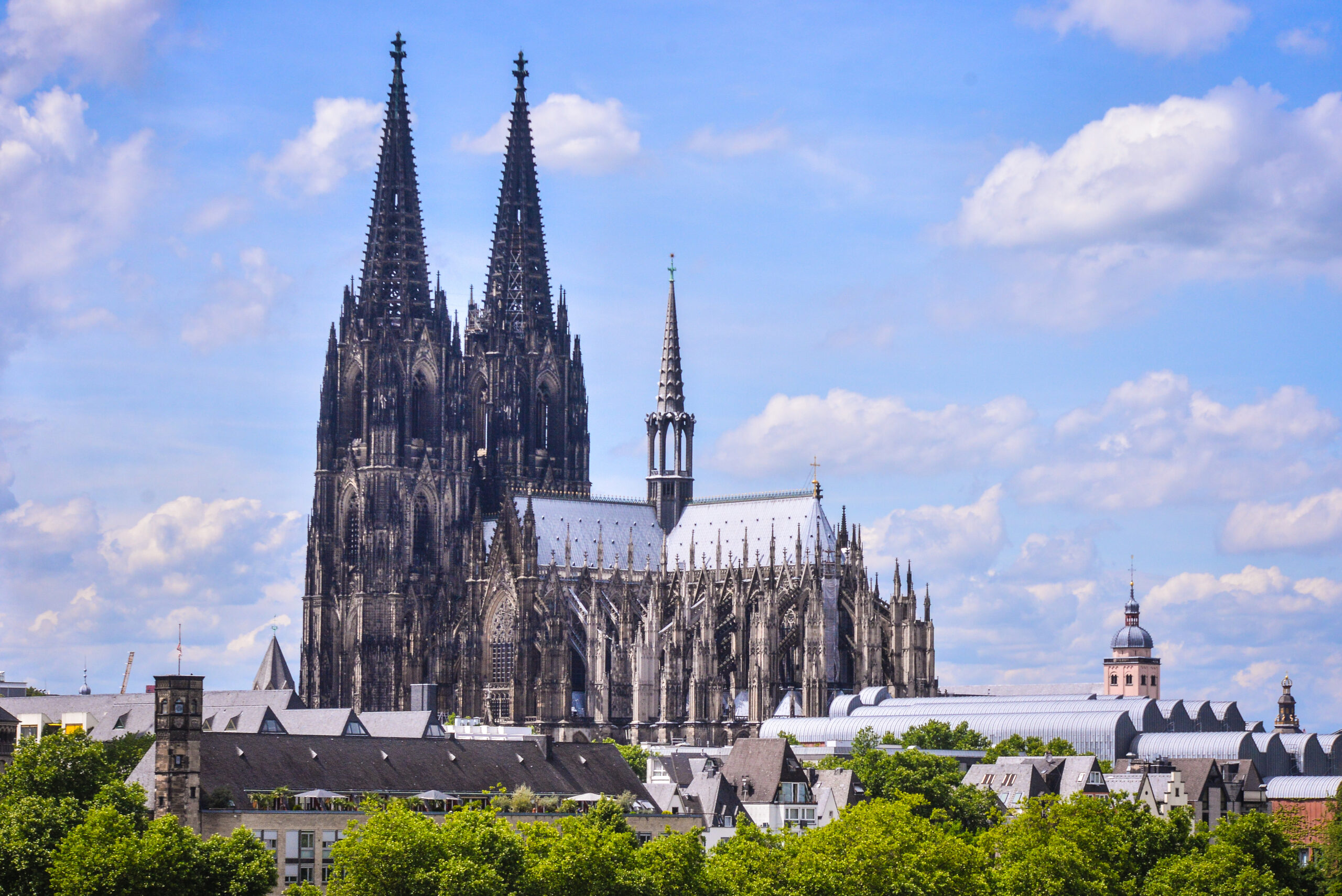
While the proposal to charge entry for Notre-Dame de Paris sparked heated debate and eventual rejection, things have moved much more smoothly across the Rhine. A consensus has been reached regarding Germany’s most iconic place of worship: Cologne Cathedral is set to introduce an admission fee for visitors.
Launching in late 2026
The decision is final. Starting in the second half of this year, visitors to Cologne Cathedral will be required to pay an entry fee. This brings the landmark in line with similar historic sites across Europe—most notably in Spain, Italy, and the UK—where such charges are common practice. The primary goal is to generate essential funds for the building’s maintenance, the costs of which continue to rise year after year.
While the exact launch date and final pricing have yet to be officially confirmed, the measure is expected to take effect toward the end of the year, with tickets likely costing between €10 and €15 per person. Access will remain free of charge, however, for those attending Mass or visiting for private prayer in designated areas.
A UNESCO World Heritage Masterpiece
It is a little-known fact that Germany is home to one of the highest concentrations of UNESCO World Heritage sites in the world. With over forty listed locations, the country firmly holds a spot in the global Top 10. Among these treasures is the breathtaking Cologne Cathedral, which has been protected by UNESCO since 1996.
Much like Notre-Dame in Paris, this cathedral is a cornerstone of Catholicism and stands as one of the most visited landmarks in Germany. The scale of the building is truly imposing, particularly considering it survived the extensive destruction of the Second World War.
A true Gothic masterpiece, its construction began in the mid-13th century on the site of a former Roman temple. The project took over 600 years to complete, finally reaching its official conclusion in 1880. Despite this long journey, the scars of history necessitated major restoration work just decades later, following the aftermath of WWII.
Today, standing at 157 metres tall with 533 steps to the top, it is the second tallest church in Germany. Its twin towers boast the second highest church spires in the world, making it an impossible landmark to miss.
The interior is equally deserving of a visit, noted for its vast scale and exceptionally rich decoration. Highlights include the High Altar—one of the largest in the world—and the Shrine of the Three Kings. This remarkable 12th-century reliquary has played a pivotal role in the religious and political life of the city for centuries. It is, quite simply, unmissable.

Hello! I’m Ben Fischer, a travel enthusiast who has journeyed far and wide to bring you unique and inspiring stories. Each destination is a new adventure for me, a chance to explore diverse cultures and share unforgettable experiences.
In my articles, I take you beyond mere descriptions of places. I share the encounters, special moments, and anecdotes that make each trip unique. My writing is an invitation to see the world through my eyes, blending practical tips with personal insights.
As a lifelong traveler, I approach each journey with respect and curiosity, eager to uncover the stories hidden in every corner of the globe.
