
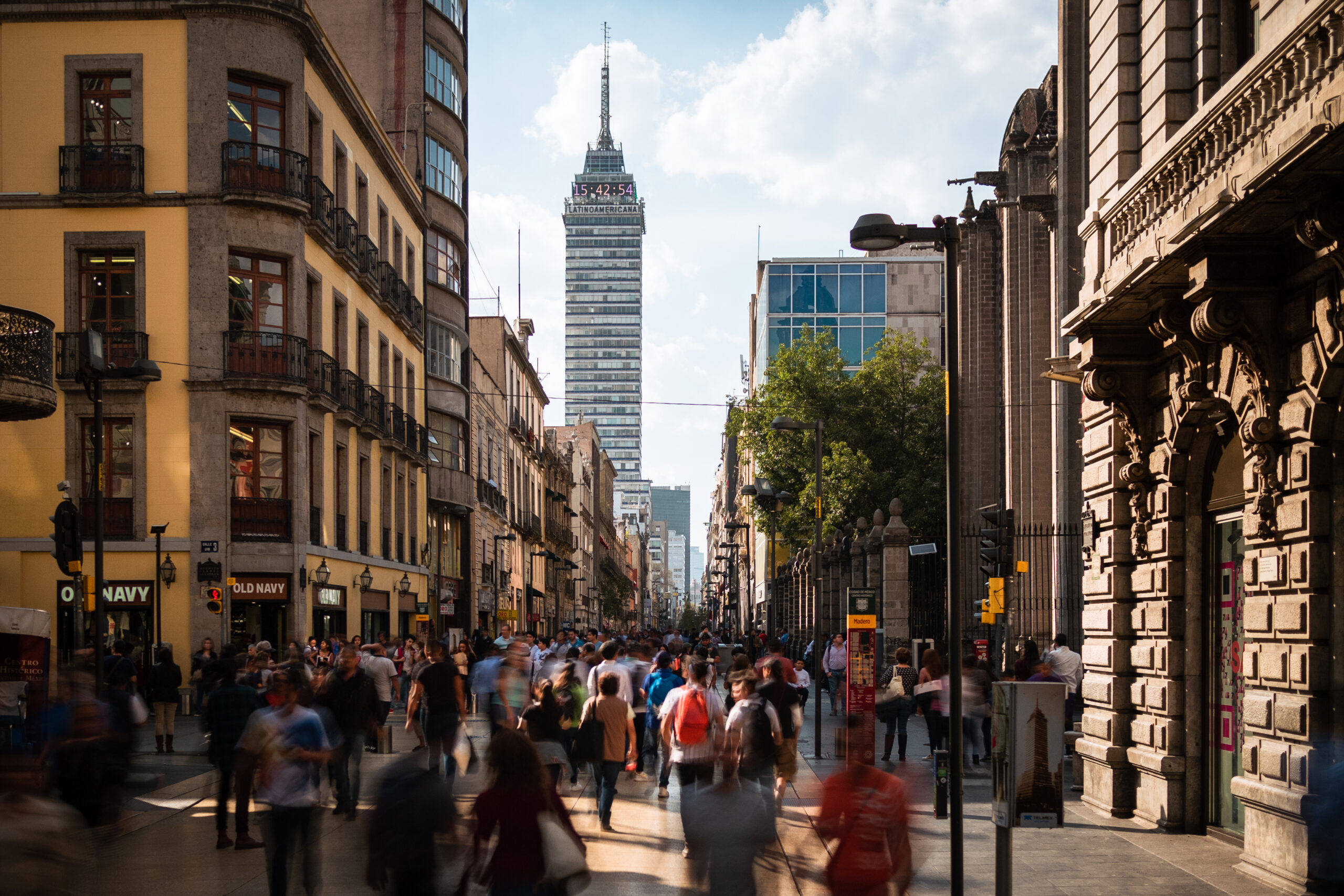
The elimination of Nemesio Oseguera, known as “El Mencho” and founder of the Jalisco New Generation Cartel (CJNG), during a military operation in Jalisco on 22 February 2026, has sparked a wave of unprecedented retaliatory violence across Mexico. Within hours, over 250 roadblocks were erected across twenty Mexican states, accompanied by the torching of vehicles and businesses. Provisional reports confirm at least 73 fatalities, including 25 members of the National Guard. In response, the Mexican army has deployed 10,000 troops to the west of the country in an attempt to restore order.
For the tens of thousands of holidaymakers in Mexico this weekend, the sudden eruption of violence raised a critical question: should they stay, leave, and—most importantly—where was safe?
Jalisco on High Alert: Troubles in Puerto Vallarta and Guadalajara
The epicentre of the unrest is the state of Jalisco, the CJNG’s historical stronghold. Puerto Vallarta, a popular Pacific coast resort, was directly affected: roads were blocked, smoke was visible from hotel balconies, and several businesses were set alight. The city’s international airport suspended all overseas flights on Sunday 22 February, before a partial resumption the following day. Airlines have since offered fee-free flight changes for stranded passengers.
The UK Foreign, Commonwealth & Development Office (FCDO), along with American and Canadian authorities, has advised citizens in the state to exercise extreme caution and remain indoors or within their hotels. Similar alerts were issued for neighbouring states, including Michoacán, Nayarit, Guanajuato, Colima, Guerrero, and Tamaulipas. The advice for tourists caught in these high-tension areas remains straightforward: head to the nearest hotel and stay put until roadblocks are cleared.
The Riviera Maya Remains Unaffected: Business as Usual in Cancún and Tulum
It is important to remember that Mexico is a vast country—nearly eight times the size of the UK—and geography is a deciding factor here. The primary destinations for European travellers—Cancún, Playa del Carmen, Tulum, and the wider Riviera Maya in the state of Quintana Roo—are located over 2,000 km (1,200 miles) from Jalisco. These areas were not affected by the weekend’s violence. By Monday 23 February, international authorities had already cleared Quintana Roo of any heightened alerts, with the situation deemed normal. Flights to Cancún continued without interruption.
In contrast, travellers who had planned trips to the Pacific coast, particularly Puerto Vallarta, have been forced to adjust their itineraries. The current trend suggests a shift towards lower-risk destinations—such as Mérida in the Yucatán or the beaches of Quintana Roo—rather than outright cancellations. Tour operators have been working to facilitate these re-routings over the past few days.
The Logic of the Cartels and the Future Outlook
A reality often noted by expats in Mexico is that cartels generally avoid targeting tourists. The tourism industry provides vital revenue for local economies and acts as a buffer against more direct international intervention. While this does not diminish the very real risks in conflict zones, it explains why major coastal resorts typically remain shielded from such violence.
However, the death of El Mencho marks a significant turning point with uncertain medium-term consequences. The CJNG founder left no clear successor, and his son remains serving a life sentence in the United States. A period of internal power struggles is likely, raising the risk of increased violence in disputed territories.
Guadalajara, the capital of Jalisco and the city hardest hit by the recent riots, is also one of the host cities for the 2026 FIFA World Cup, with matches scheduled to begin this June. Mexican authorities and FIFA now face the challenge of managing a high-stakes sporting calendar under intense security pressure.
Hello! I’m Ben Fischer, a travel enthusiast who has journeyed far and wide to bring you unique and inspiring stories. Each destination is a new adventure for me, a chance to explore diverse cultures and share unforgettable experiences.
In my articles, I take you beyond mere descriptions of places. I share the encounters, special moments, and anecdotes that make each trip unique. My writing is an invitation to see the world through my eyes, blending practical tips with personal insights.
As a lifelong traveler, I approach each journey with respect and curiosity, eager to uncover the stories hidden in every corner of the globe.
