
Europe > Slovenia: Weather, Map, Costs and Travel Guide

Slovenia : When and where to go?
Click on a city for complete climate and weather tables
| Town | Jan | Feb | Mar | Apr | May | June | July | Aug | Sept | Oct | Nov | Dec |
| Ljubljana |  | | |  | |  | | | | | | |
Slovenia: Climate & Weather
The geographical diversity of Slovenia creates three different types of climate in this small country: The North shows the characteristics of an alpine climate, to the East, those of a more continental climate, and the South and the West offer more Mediterranean type climate aspects.
This mixture creates a great variation of temperatures, which range between -15°C in winter up to over 35°C in summer. Rain is frequent in autumn and April.
The main tourist season on the East coast is obviously during the months of August and July, which you should avoid if you are looking for peace and quiet. The ideal time to enjoy excursions or to visit the valleys is the month of May, which combines glorious sunshine and the blossoming of the flowers.
Weather today

Overcast
Wind: 4 km/h
Precipitation forecast: 0 mm
> Full report and 7-days forecast
Data updated at 06:08 (local time)
At that time, the weather was:
15 °C / Overcast
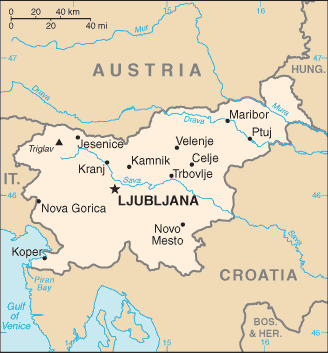
Slovenia: Map
Sponsored links
What to do in Slovenia
The capital city, Ljubljana, is a peaceful town, dotted with pale coloured churches and crossed by the Ljubljanica River. There you will be able to visit the National Museum and the Museum of Modern Art or wander around the labyrinthine narrow streets of the old city.
The Juliennes Alps are a great site for excursions or climbing, and also offer the possibility of visiting Bled Island to ring the “wishes bell” in the belfry which is said to fulfil all your wishes.
Those looking for relaxation will wish to extend their stay on the Adriatic coast: Piran with its narrow streets, the beautiful beach of Fiesa and the old medieval city of Koper are all places not to be missed.
The valley of Soca, traversed by the river of the same name with its emerald reflects, curves at the feet of summits reaching 2,000 m, and dissimulates the bloody and long-lived memories of the First World War with its magnificent natural surroundings and is the base for many incomparable physical adventures: Trout fishermen in particular will have a magical time here.
As you have no doubt understood, in Slovenia nature rules and you will not tire from seeing its wonders.
Slovenia: The basics
No visa is required, only an Identity Card.
The euro is the currency in Slovenia
An average meal will cost you about fifteen euros: Meals served in restaurants often start with a soup, even in summer, but you will also find many pizzas available cooked with wood fired ovens which are generally excellent.
Concerning accommodation, a reasonable room will cost you less than €50 if you choose an inn or a guest house, preferable to hotels which are often expensive, especially in the capital.
If you do not have a car, you can easily travel around the country by bus: They are very common and serve almost all destinations; sea or mountain.


